
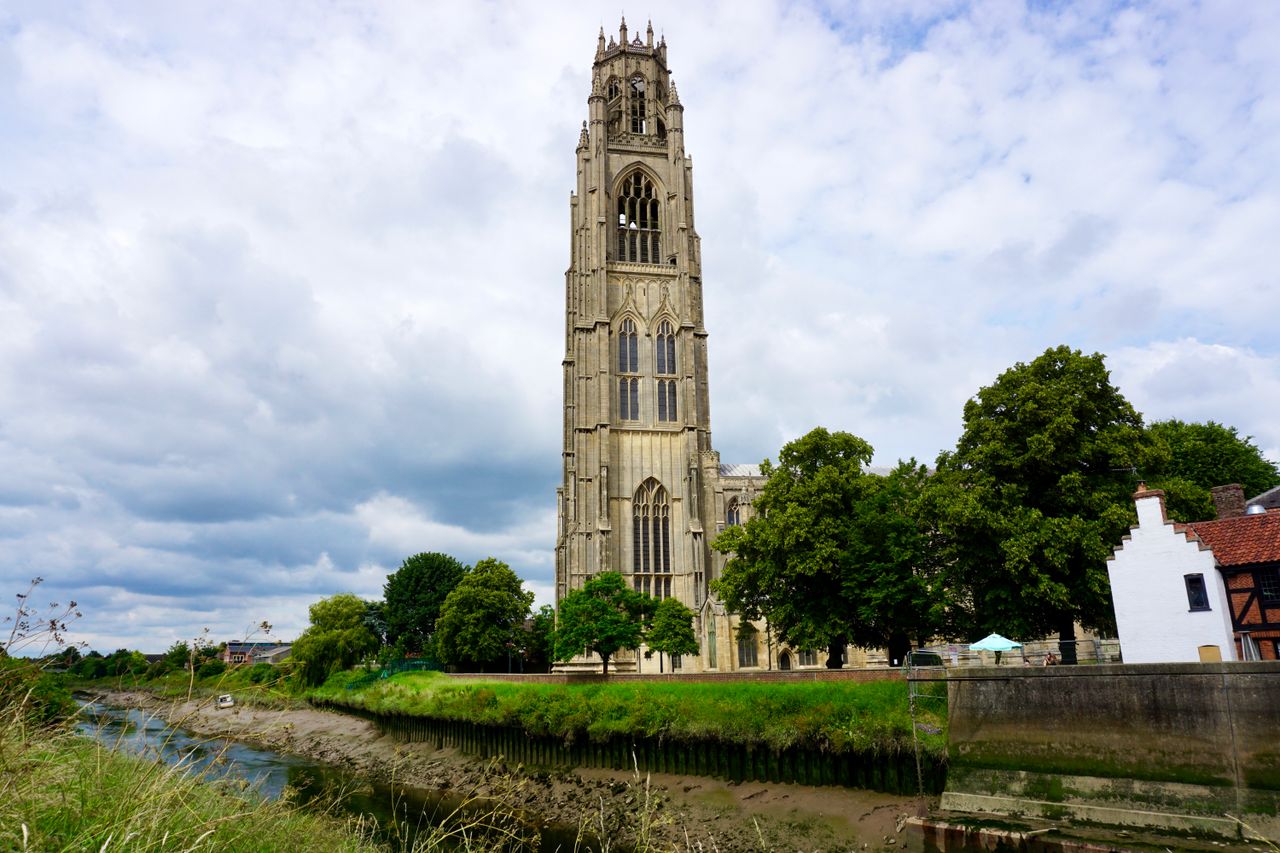
People usually talk about schools, transport links and square footage when they think about where to settle. One thing often gets missed: darkness. Not in a gloomy sense, but in the simple pleasure of a properly dark sky. In much of Lincolnshire, low light pollution means stars are still part of daily life, not something saved for holidays or the occasional weekend in the country.
That matters more than it first appears. A clear view of the night sky changes how a place feels. It can make evenings seem slower, cut the visual clutter, and sharpen your sense of the season. You notice weather moving across open land, winter dusk arriving early, and those long summer twilights hanging over the fields. For many people, especially those leaving larger towns and cities, that can be just as persuasive as a floor plan.
It also helps explain the appeal of new build homes Lincolnshire in villages and smaller communities, where modern housing sits beside wide horizons instead of street after street lit by sodium glow. The attraction is not only a more energy-efficient home. It is also the chance to live somewhere that still feels connected to the landscape after dark.
A different kind of location test
If you are weighing up an area, it may be worth visiting in the evening as well as during the day. The character of a place often becomes clearer once traffic thins and the sky takes over.
- Can you walk outside and hear very little?
- Does the horizon feel open rather than hemmed in?
- Is the night sky visible, or washed out by glare?
These may seem like small things, but they shape daily life in lasting ways. Lincolnshire has long offered space and practicality. Increasingly, it is that harder-to-find sense of calm that sets it apart. In an overlit country, darkness has become an amenity in its own right.
Featured image: Mike Bird for Pexels.